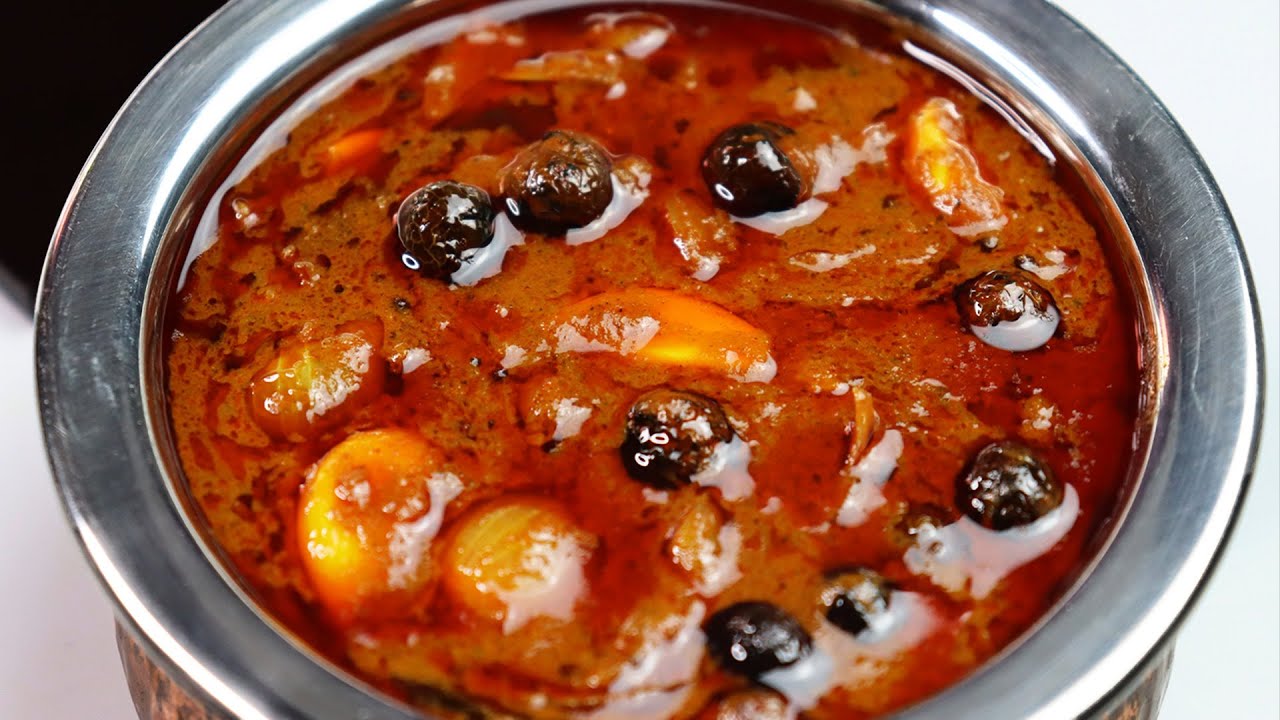
South Indian Vegetable Kurma

Authentic South Indian Food Creator · Home Chef

Rate this recipe
South Indian Vegetable Kurma, known as Veg Kuruma in Tamil households, is a rich and aromatic mixed vegetable curry rooted deeply in Tamil Nadu's culinary tradition. This creamy, mildly spiced gravy is prepared by simmering fresh vegetables in a coconut and cashew-based masala paste. Unlike North Indian korma, the South Indian version carries a distinctive flavor profile with the warmth of fennel seeds, green chilies, and freshly ground coconut, making it a beloved staple across Tamil kitchens from Chennai to Coimbatore.
Tamil families absolutely adore Vegetable Kurma because it pairs beautifully with soft chapathis, flaky parottas, and even idiyappam. It is a go-to dish on Sunday mornings when the whole family gathers for a leisurely breakfast. Many Tamil mothers prepare this kurma during school holidays, Diwali mornings, and Pongal celebrations as a hearty side dish. The vibrant medley of colorful vegetables makes it visually appealing while the creamy coconut gravy keeps everyone coming back for second helpings without fail.
What makes this recipe truly special is how restaurant-style results can be achieved effortlessly at home using simple pantry staples. The secret lies in freshly ground coconut-cashew paste which gives the kurma its signature velvety texture. Always use fresh vegetables like carrots, potatoes, beans, and peas for the best flavor. Cooking the whole spices in hot oil first releases their natural oils and creates a deeply aromatic base. Do not rush the simmering process as slow cooking allows all flavors to meld together beautifully for an authentic Tamil taste.
Looking for more curry recipes? Browse all vegetarian recipes →
Ingredients(23 items)
Instructions
💡 Tap a step to mark it doneBegin by preparing the kurma paste. Soak the cashew nuts in warm water for 10 minutes to soften them. Then add the soaked cashews along with grated fresh coconut, fennel seeds, and poppy seeds into a blender. Add 3 to 4 tablespoons of water and grind everything into a very smooth, creamy paste. Set this paste aside as it will be the star ingredient that gives the kurma its rich and velvety texture.
Wash and chop all the vegetables into uniform bite-sized cubes. Cut the carrots, potatoes, and beans into roughly 1-inch pieces so that they cook evenly. Keep the green peas ready. If using fresh peas, you can parboil them slightly. Having all vegetables prepped before you start cooking ensures a smooth and stress-free cooking process.
Heat oil in a heavy-bottomed kadai or pan over medium heat. Once the oil is hot, add the bay leaf, cinnamon stick, cloves, and cardamom. Let these whole spices sizzle for about 30 seconds until fragrant. This step is crucial as it infuses the oil with deep aromatic flavors that form the flavorful backbone of the entire kurma dish.
Add the finely chopped onions to the pan along with the slit green chilies. Sauté the onions on medium heat, stirring frequently, until they turn soft and golden brown. This usually takes about 7 to 8 minutes. Do not rush this step as properly caramelized onions add natural sweetness and depth of flavor to the kurma gravy.
Add the ginger garlic paste to the sautéed onions and mix well. Cook for 2 minutes on medium heat until the raw smell of ginger and garlic completely disappears. Then add the chopped tomatoes and cook until they become soft, mushy, and fully incorporated into the onion mixture, about 4 to 5 minutes.
Now add the dry spice powders: turmeric powder, red chili powder, coriander powder, and garam masala. Mix everything well and cook the masala for 2 minutes on medium-low heat, stirring continuously to prevent burning. Add a splash of water if the masala sticks to the pan. Cooking the spices well at this stage removes their raw taste.
Add all the chopped vegetables — carrots, potatoes, green beans, and green peas — to the masala. Mix well so that all the vegetables are thoroughly coated with the spiced masala. Sauté the vegetables in the masala for 2 to 3 minutes so they absorb all the flavors before adding any liquid.
Add 1.5 cups of water and salt to taste. Stir everything well, cover the pan with a lid, and cook on medium heat for about 12 to 15 minutes until the vegetables are tender and cooked through. Check occasionally and stir to prevent sticking. You can test the potatoes and carrots with a fork — they should be soft but not mushy.
Once the vegetables are cooked, add the freshly ground coconut-cashew paste to the pan. Mix well to combine it evenly with the vegetable curry. If the gravy is too thick, add a little more water to reach your desired consistency. Stir gently to ensure the paste is fully dissolved into the curry without any lumps.
Allow the kurma to simmer on low heat for 5 minutes after adding the coconut-cashew paste. Do not boil it on high heat as this can cause the coconut paste to separate. Taste and adjust salt if needed. Finally, garnish with freshly chopped coriander leaves, turn off the heat, and serve the hot and creamy Vegetable Kurma alongside chapathi, parotta, or idiyappam.
Tips and Tricks
- Always grind the coconut and cashew paste very smoothly for a silky, restaurant-style kurma gravy. Even a slightly coarse paste will affect the final texture, so blend for at least 2 to 3 minutes with enough water.
- Do not add the coconut-cashew paste while the heat is high. Always lower the flame to medium-low before adding the paste and let it simmer gently. High heat will cause the coconut to curdle and the gravy will lose its creamy consistency.
- For extra richness, you can add 2 tablespoons of fresh cream or thick coconut milk in the final step along with the ground paste. This gives the kurma a hotel-style creaminess that pairs exceptionally well with flaky parottas and soft chapathis.
⚠️ Nutrition values could not be verified for this recipe. Please check manually.
Related Tags