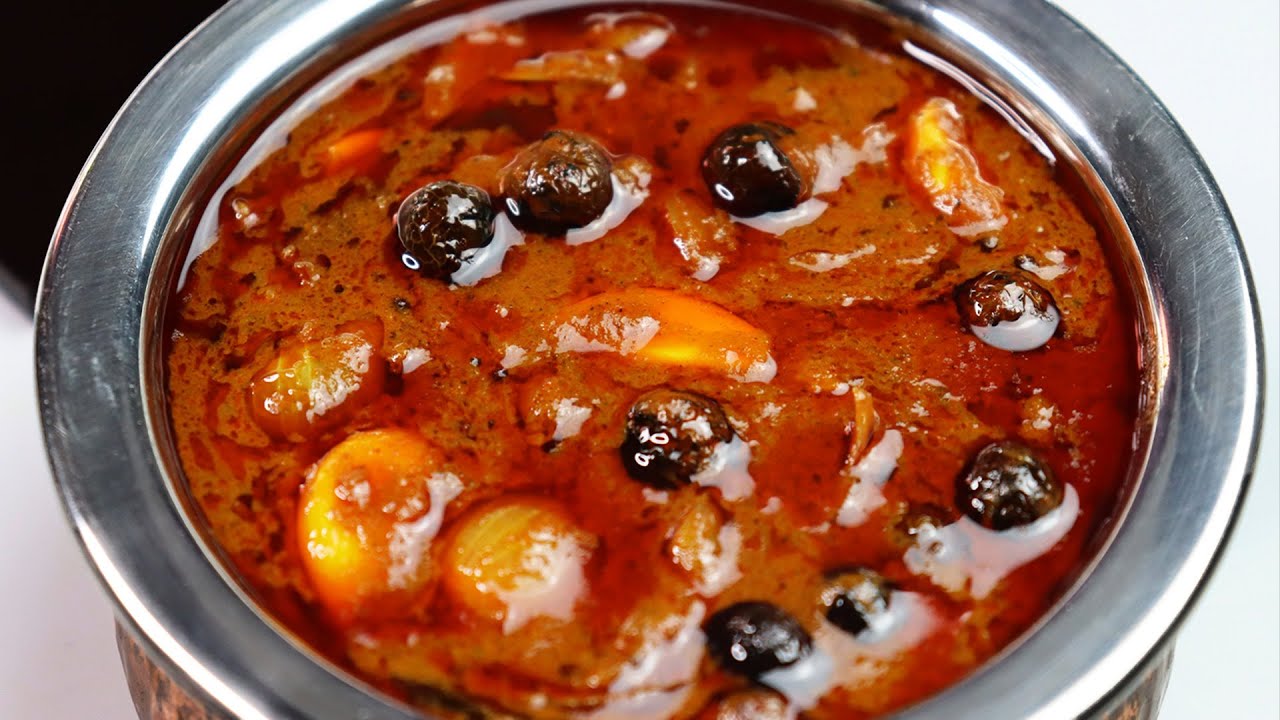
Sukku Kulambu | Dry Ginger Kuzhambu

Authentic South Indian Food Creator · Home Chef

Rate this recipe
Sukku Kulambu, also known as Dry Ginger Kuzhambu, is a deeply rooted traditional gravy from Tamil Nadu that has been prepared in South Indian kitchens for generations. The word 'Sukku' refers to dried ginger, a prized spice in Tamil cooking known for its warming and medicinal properties. This tangy, spiced tamarind-based kulambu combines the bold flavors of dry ginger, pepper, garlic, and coriander seeds into a rich, aromatic gravy that pairs beautifully with steamed rice and a generous drizzle of sesame oil.
Tamil families absolutely love Sukku Kulambu, especially during the monsoon and winter seasons when colds, coughs, and digestive troubles become common. This is the dish Paati, the Tamil grandmother, would rush to make the moment someone in the family sneezed or complained of an upset stomach. It is a staple comfort food made during rainy days, served at home without any special occasion needed, though it is also commonly prepared during Karthigai Deepam and other cool-weather festivals when the body craves warmth and nourishment from nature's own remedies.
What makes this recipe truly special is how simple pantry ingredients transform into a powerhouse of flavor and healing. Dry roasting the spices before grinding releases their essential oils and deepens the taste dramatically. Always use good quality sesame oil for tempering as it perfectly complements the dry ginger and pepper. Allow the kulambu to simmer slowly on low flame so the tamarind cooks down completely and the oil separates beautifully on top, which is the true sign of a perfectly made Tamil kuzhambu.
Looking for more curry recipes? Browse all vegetarian recipes →
Ingredients(17 items)
Instructions
💡 Tap a step to mark it doneDry roast the dry ginger, black pepper, coriander seeds, and cumin seeds together in a small pan over medium-low heat for 2 to 3 minutes, stirring continuously until fragrant. Be careful not to burn them. Remove from heat and allow to cool completely before grinding.
Once cooled, transfer the dry roasted spices to a blender or mixer. Add 5 cloves of garlic and a small splash of water, then grind everything into a smooth, thick paste. Set this spice paste aside.
Soak the tamarind in 2 cups of warm water for 10 minutes. Using your fingers, squeeze the tamarind thoroughly to extract all the pulp. Strain out the fibers and seeds and keep the tamarind water ready.
Heat sesame oil in a heavy-bottomed kadai or pan over medium heat. Once the oil is hot, add mustard seeds and let them splutter. Then add fenugreek seeds and dried red chillies and fry for 30 seconds until the fenugreek turns slightly golden.
Add curry leaves and a generous pinch of asafoetida to the pan. Immediately add the shallots and remaining garlic cloves. Sauté on medium heat for 4 to 5 minutes until the shallots turn golden brown and the raw smell of garlic disappears.
Add the chopped tomato and cook for 3 to 4 minutes, stirring occasionally, until the tomatoes become soft and mushy and begin to blend into the onion base.
Add turmeric powder and red chilli powder to the pan. Mix well and cook the masalas with the onion-tomato base for 2 minutes on medium heat so the raw smell of the powders cooks out completely.
Add the ground sukku spice paste to the pan. Stir well to combine everything together and cook this mixture for 3 to 4 minutes, stirring frequently so it does not stick to the bottom, until the paste darkens slightly and becomes aromatic.
Pour in the extracted tamarind water gradually, stirring as you add it. Add salt to taste. Mix everything well, bring the kulambu to a boil on high heat, then reduce the flame to low.
Simmer the kulambu on low to medium flame for 15 to 20 minutes, stirring occasionally, until the raw tamarind smell disappears completely, the gravy thickens to your desired consistency, and the sesame oil begins to float on the surface. This separation of oil is the sign that your sukku kulambu is perfectly cooked. Serve hot with steamed rice.
Tips and Tricks
- Always dry roast the sukku and pepper spices before grinding — this step is non-negotiable for deep, authentic flavor and eliminates any raw bitterness from the dry ginger.
- Use only sesame oil (nallennai) for this kulambu as it enhances the medicinal properties of dry ginger and pepper and gives the dish its characteristic Tamil flavor that regular cooking oil simply cannot replicate.
- Allow the kulambu to rest for at least 15 minutes after cooking before serving — the flavors deepen significantly as it sits, and it tastes even better the next day when reheated.
Related Tags