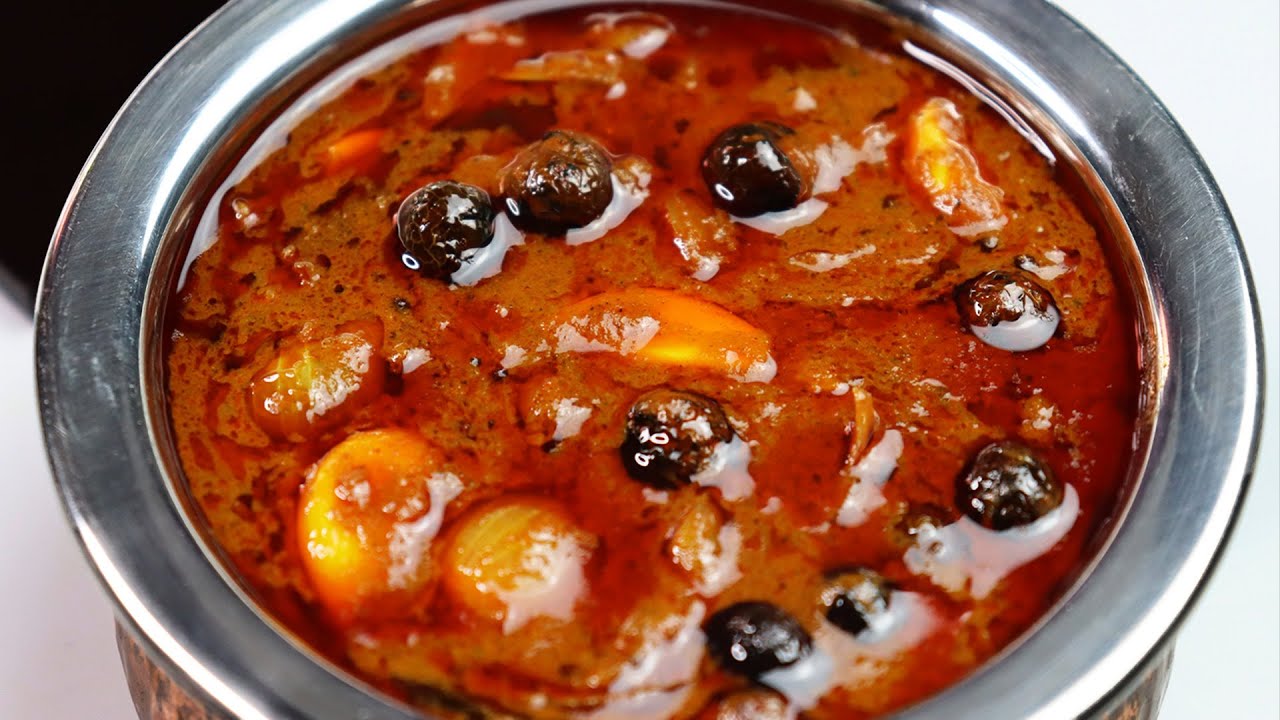
Sundakkai Vathal | Dried Turkey Berry

Authentic South Indian Food Creator · Home Chef

Rate this recipe
Sundakkai Vathal, or dried turkey berry, is one of the most treasured traditional preserves in Tamil cuisine. These small, pea-sized berries, known as turkey berries in English, have been sun-dried and preserved for generations in Tamil households. The process of making vathal is deeply rooted in South Indian culinary tradition, where seasonal vegetables and berries are dried under the hot sun to create flavorful, long-lasting ingredients that can be used throughout the year in iconic dishes like vathal kuzhambu and rasam.
Tamil families across generations have always kept a stash of sundakkai vathal in their kitchen pantry. Grandmothers and mothers traditionally prepare large batches during summer months when the sun is strongest, ensuring a year-round supply for the family. These dried berries are considered almost medicinal in Tamil homes — whenever someone catches a cold or suffers from asthma, a simple fried sundakkai or a warm bowl of sundakkai vathal kuzhambu is lovingly prepared. It is a dish that connects Tamil families to their roots and heritage.
What makes this recipe truly special is its beautiful simplicity. All you need is fresh sundakkai berries, salt, buttermilk, and the warmth of the South Indian sun. The key to perfect sundakkai vathal is the buttermilk soaking process, which removes bitterness and adds a gentle tang to the berries. Ensure the berries are completely dry before storing to prevent mold. With just a little patience during the drying process, you will have a pantry staple that elevates every dish it touches.
Looking for more snacks recipes? Browse all vegetarian recipes →
Ingredients(4 items)
Instructions
💡 Tap a step to mark it doneWash the fresh sundakkai berries thoroughly under running water. Remove the stems and any damaged or overripe berries. Drain and set aside in a clean bowl.
In a large bowl, mix together the thick buttermilk, salt, and enough water to fully submerge all the berries. Stir well so the salt dissolves completely into the buttermilk mixture.
Add the cleaned sundakkai berries into the buttermilk and salt mixture. Make sure all the berries are fully submerged. This soaking process helps remove the natural bitterness of the berries and adds a lovely tangy flavor.
Cover the bowl with a clean cloth or plate and allow the berries to soak overnight or for at least 8 to 12 hours. This is a crucial step — do not skip or shorten this soaking time for best results.
The next morning, drain the soaked berries and spread them in a single layer on a clean cotton cloth or a wide flat tray. Make sure they are spread evenly without overlapping so they dry uniformly.
Place the tray under direct, strong sunlight. In hot summer weather, this drying process may take 3 to 5 days. Each evening, bring the tray inside and take it back out every morning. Turn and mix the berries once or twice daily for even drying.
If the buttermilk gets absorbed and the berries look dry after the first day, you can soak them again in fresh buttermilk and salt for another night and then continue sun-drying. Repeating this process 2 to 3 times gives a richer, more flavorful vathal.
The sundakkai vathal is ready when the berries are completely shriveled, hard, and dry with no moisture remaining inside. They should rattle when shaken and feel very light in weight.
Once fully dried, store the sundakkai vathal in a clean, dry, airtight glass jar or container. Keep in a cool and dry place. Properly dried vathal can be stored for up to one full year.
To use, deep fry a handful of sundakkai vathal in hot oil until they puff up and turn golden. They can be eaten as a crunchy side with rice and sambar, or used directly in vathal kuzhambu for a bold, tangy South Indian gravy.
Tips and Tricks
- Always soak the berries in buttermilk at least two to three times before sun-drying — this multi-soak method significantly reduces bitterness and results in a tastier, more flavorful vathal that works beautifully in kuzhambu.
- Never store sundakkai vathal if there is even the slightest moisture remaining in the berries. Storing moist vathal will cause mold to develop quickly. Always ensure they are bone dry, hard, and light before transferring them to storage jars.
- For the best drying results, prepare sundakkai vathal during peak summer months between March and June in South India when sunlight is most intense and consistent. Avoid making vathal during monsoon or cloudy weather as insufficient drying leads to spoilage.
Nutrition Info (per serving)
AI Estimated Values per serving
Related Tags