Sundakkai Vathal Kulambu

Authentic South Indian Food Creator · Home Chef

Rate this recipe
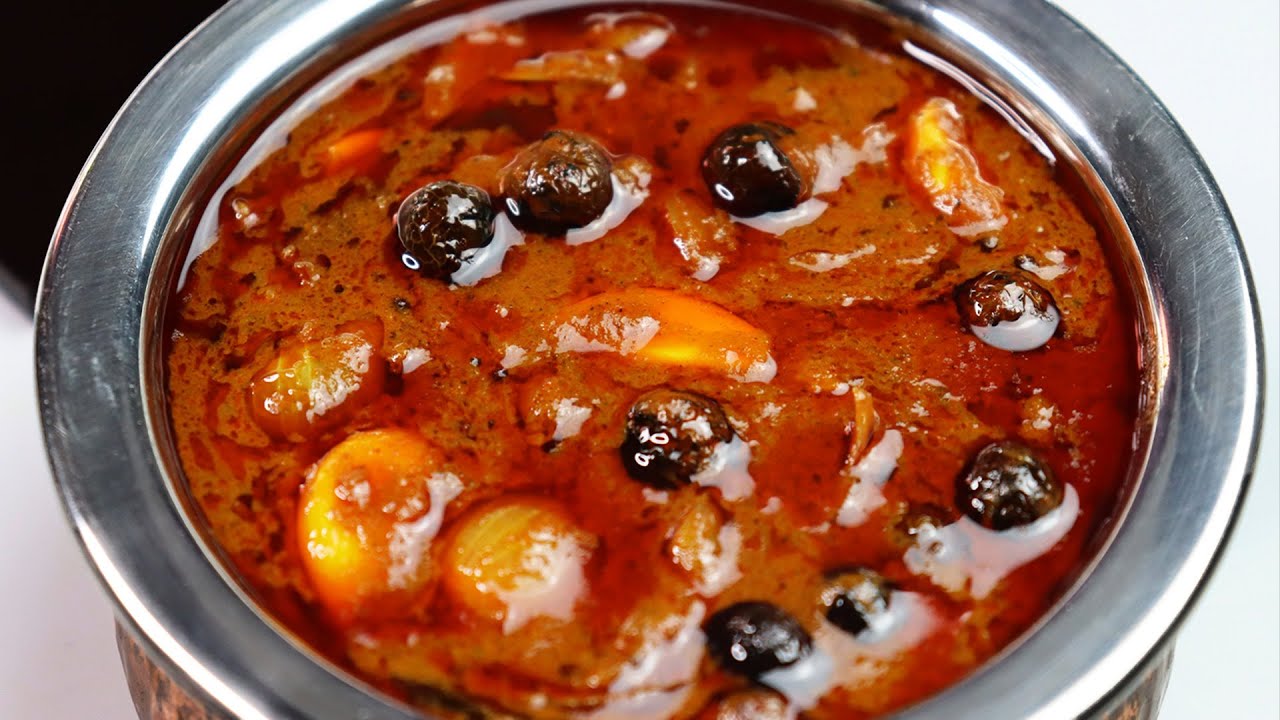
Sundakkai Vathal Kulambu is one of the most treasured and soul-satisfying dishes in Tamil cuisine. Made with sun-dried turkey berries, tangy tamarind, and a rich blend of spices, this traditional kuzhambu has roots deep in Tamil Brahmin and village cooking. The dried berries, known as sundakkai vathal, give the gravy a distinctive bitterness that balances beautifully with the sourness of tamarind and the warmth of sesame oil. This dish has been lovingly passed down through generations in Tamil households across Tamil Nadu.
Tamil families absolutely adore vathal kulambu because it is deeply comforting and nostalgic. Many grandmothers and mothers prepare this kuzhambu on quiet weekday afternoons, pairing it with hot steamed rice, crispy appalam, and a simple keerai poriyal or kootu. It is also a popular dish during auspicious days and festivals when families gather together. The bold, pungent aroma that fills the kitchen while the kulambu simmers on the stove is something every Tamil person remembers fondly from their childhood home.
What makes this Sundakkai Vathal Kulambu recipe truly special is how easy it is to prepare using pantry staples you always have at home. The key to getting the best flavor is using good quality gingelly oil, also known as sesame oil, and allowing the kulambu to slow-cook and thicken to a deep, glossy consistency. Always fry the sundakkai vathal well in oil before adding it to the gravy to reduce bitterness and enhance its nutty aroma. Serve it generously over steaming hot rice for a truly authentic Tamil meal.
Looking for more curry recipes? Browse all vegetarian recipes →
Ingredients(18 items)
Instructions
💡 Tap a step to mark it doneSoak the tamarind in one cup of warm water for about 10 to 15 minutes. Once softened, squeeze the tamarind thoroughly with your hands to extract all the juice. Strain this tamarind water through a sieve to remove seeds and fiber. Keep the tamarind extract aside. You should have approximately one and a half cups of thick tamarind water.
Heat a heavy-bottomed pan or iron kadai over medium flame and add the gingelly oil. Once the oil is hot, add the sundakkai vathal and fry them carefully on medium-low heat for about 2 to 3 minutes, stirring continuously, until they turn golden and crisp. This step is very important as it removes excess bitterness and enhances the nutty flavor of the dried berries. Remove them from the oil and set aside on a plate.
In the same pan with the remaining oil, add the mustard seeds and let them splutter. Then add the cumin seeds, fenugreek seeds, and dried red chillies. Fry for 30 seconds until the fenugreek seeds turn slightly golden. Be careful not to burn the fenugreek seeds as they will make the kulambu bitter.
Add the curry leaves, peeled pearl onions, and garlic cloves to the pan. Sauté on medium heat for 5 to 6 minutes, stirring often, until the onions turn translucent and lightly golden. The pearl onions and garlic are essential for building a rich and flavorful base for the kulambu.
Add the chopped tomato to the pan and cook for 3 to 4 minutes until the tomatoes become soft and mushy. Stir well and let the tomatoes blend into the onion mixture forming a thick base.
Now add the turmeric powder, red chilli powder, coriander powder, and sambar powder. Mix everything well and cook the spices on medium-low heat for 2 minutes until the raw smell of the spices disappears and the oil starts to separate slightly from the masala.
Pour in the prepared tamarind extract along with the remaining one cup of water. Stir well to combine everything. Add salt to taste and bring the kulambu to a boil on medium-high heat. You will notice the raw tamarind smell start to cook off as it boils.
Add the fried sundakkai vathal back into the boiling kulambu. Mix gently and reduce the heat to medium-low. Let the kulambu simmer uncovered for 20 to 25 minutes, stirring occasionally, until it thickens to a deep, rich consistency and the oil floats on top. This slow simmering is key to the authentic flavor.
Add a small piece of jaggery towards the end of cooking and stir well. The jaggery balances the sourness of the tamarind and rounds out all the flavors beautifully. Taste and adjust salt or spices if needed. The kulambu should have a thick, glossy texture and a deep brownish-red color.
Turn off the heat and let the Sundakkai Vathal Kulambu rest for a few minutes before serving. Serve hot over steamed white rice with a side of crispy appalam, keerai poriyal, or any simple vegetable side dish. The flavor improves even more the next day as the spices continue to develop overnight.
Tips and Tricks
- Always use gingelly oil (sesame oil) for authentic vathal kulambu flavor. Regular refined oil will not give the same depth and traditional taste that this dish is known for.
- Fry the sundakkai vathal separately in oil before adding to the kulambu. This step reduces the natural bitterness of the dried berries and gives them a pleasant, nutty crunch in the final dish.
- Allow the kulambu to simmer on low heat for a longer time without covering the pan. The longer it cooks, the thicker and more flavorful it becomes. Leftover vathal kulambu tastes even better the next day.
Related Tags