Thandu Keerai Kadaiyal (Mulai Keerai Masiyal)
Authentic South Indian Food Creator · Home Chef

Rate this recipe
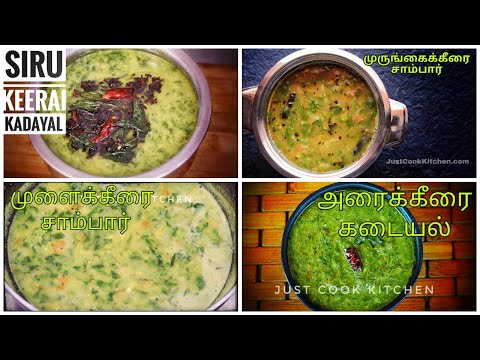
Thandu Keerai Kadaiyal, also lovingly known as Mulai Keerai Masiyal, is a humble and nourishing green dish deeply rooted in Tamil cuisine. Made from amaranth stems and leaves, this dish is a staple in Tamil Nadu households. The word 'kadaiyal' refers to the traditional method of mashing the cooked greens with a wooden churner or mathhu, giving it a beautifully rustic, semi-smooth texture. This dish is a true celebration of simple, wholesome Tamil cooking passed down through generations.
Tamil families absolutely adore Thandu Keerai Kadaiyal because it brings warmth and nostalgia to the dining table. Grandmothers and mothers across Tamil Nadu prepare this dish regularly as part of a balanced weekday lunch, served alongside steaming white rice, a drizzle of ghee, and a bowl of rasam. It is a comfort food that children especially love because of its mild flavor and soft texture. During postpartum recovery and for young toddlers starting solids, this keerai masiyal is a go-to dish for its incredible nutritional value and gentle taste.
What makes this recipe truly special is its simplicity — just a handful of fresh ingredients and minimal cooking time is all you need to create something magical. The key to a beautiful bright green color is to avoid adding tomatoes, which tend to dull the vibrant hue of the greens. Using fresh mulai keerai, cooking it just until tender, and mashing it well with garlic and green chillies creates the most flavorful result. Always finish with a generous tadka of mustard seeds, dried red chilli, and a pinch of asafoetida for that authentic Tamil flavor.
Looking for more curry recipes? Browse all vegetarian recipes →
Ingredients(12 items)
Instructions
💡 Tap a step to mark it doneThoroughly wash the thandu keerai (mulai keerai) in plenty of water two to three times to remove any dirt or grit. Separate the tender stems from the tougher ones and chop both the stems and leaves into small pieces. Set aside to drain.
In a medium-sized pan or kadai, add the cleaned and chopped keerai along with the peeled garlic cloves, slit green chillies, and 1/4 cup of water. Do not add any oil at this stage.
Cover the pan with a lid and cook on medium flame for about 8 to 10 minutes, stirring once in between, until the keerai is completely wilted and the stems are soft and tender. The greens will reduce significantly in volume.
Once the keerai is cooked and most of the moisture has evaporated, add salt to taste. Using a traditional wooden mathhu (churner) or the back of a ladle, mash the cooked greens well directly in the pan until you get a semi-smooth, slightly coarse texture. Do not blend it completely smooth — the rustic texture is what makes this dish authentic.
In a separate small tadka pan, heat coconut oil or sesame oil over medium heat. Once the oil is hot, add the mustard seeds and allow them to splutter completely.
Add the urad dal to the tadka pan and fry for about 30 seconds until it turns light golden brown. Then add the dried red chillies, curry leaves, and chopped shallots. Sauté until the shallots turn translucent and slightly golden, about 2 minutes.
Add the generous pinch of asafoetida (perungayam) to the tadka and mix well. Immediately pour this hot tempering over the mashed keerai mixture and stir everything together gently to combine all the flavors.
Give the kadaiyal a final taste check and adjust salt if needed. Transfer to a serving bowl and serve hot with steamed white rice and a drizzle of ghee. It pairs beautifully with rasam or a simple mango pickle on the side.
Tips and Tricks
- Do not add tomatoes if you want to preserve the beautiful bright green color of the keerai. Tomatoes will make the dish turn dull and also significantly change the fresh, mild flavor of the greens.
- Use a traditional wooden mathhu or a flat-bottomed ladle to mash the greens — avoid using a blender or mixer as it makes the texture too smooth and pasty, taking away the rustic charm of a true kadaiyal.
- Always use fresh thandu keerai for the best flavor and color. If the stems feel too thick or fibrous, discard them and use only the tender portions and leaves so that the dish stays soft and easy to eat for both kids and elders.
⚠️ Nutrition values could not be verified for this recipe. Please check manually.
Related Tags