Thuthuvalai Rasam - Best Home Remedy for Cold and Cough

Authentic South Indian Food Creator · Home Chef

Rate this recipe
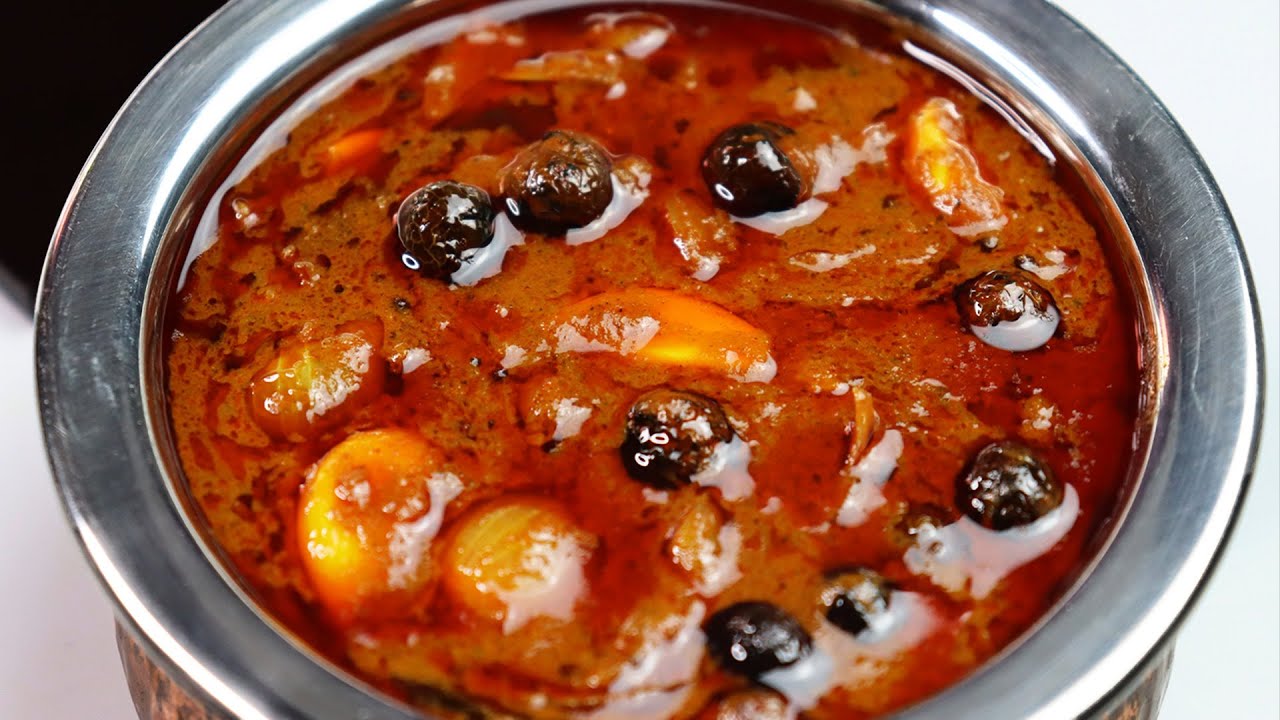
Thuthuvalai Rasam is a deeply traditional South Indian Tamil rasam made using the medicinal herb Thuthuvalai, known in English as Turkey Berry plant or Solanum trilobatum. This climbing herb has been celebrated in Tamil Siddha medicine for centuries and holds a revered place in Tamil household kitchens, especially in villages across Tamil Nadu. The herb is known for its powerful healing properties and when combined with the warm, tangy base of a classic rasam, it becomes one of the most comforting and healing drinks in Tamil culinary tradition.
Tamil families have been making Thuthuvalai Rasam for generations, especially during the rainy season and winter months when colds, coughs, and respiratory troubles are most common. This rasam is lovingly prepared by grandmothers and mothers the moment someone in the family sneezes or shows signs of a cold. It is not tied to any specific festival but is deeply associated with home care, warmth, and the healing wisdom of Tamil grandmothers. A steaming bowl of this rasam with hot rice is considered the ultimate comfort food remedy passed down through family traditions.
What makes this recipe truly special is how it combines everyday South Indian rasam ingredients like tamarind, pepper, cumin, and tomato with the fresh or dried leaves of the Thuthuvalai herb to create a powerhouse of flavour and healing. It is incredibly easy to make at home in under 30 minutes. For best results, use fresh Thuthuvalai leaves if available, as they release more of their natural medicinal oils and give the rasam a beautifully earthy and slightly bitter depth that makes it uniquely satisfying and therapeutic.
Looking for more dinner recipes? Browse all vegetarian recipes →
Ingredients(17 items)
Instructions
💡 Tap a step to mark it doneWash the fresh Thuthuvalai leaves thoroughly under running water to remove any dirt or grit. If using dried leaves, soak them in warm water for 5 minutes. Once cleaned, grind the Thuthuvalai leaves along with the black pepper, cumin seeds, and garlic cloves into a coarse paste using a small mixer or stone grinder. Add just a tablespoon or two of water to help blend. Set this aromatic paste aside.
Soak the tamarind in half a cup of warm water for 5 to 8 minutes. Once softened, squeeze and extract the tamarind juice thoroughly. Strain out any seeds or fibre and keep the tamarind water ready. This forms the tangy base of the rasam.
In a medium saucepan or earthen pot, add the tamarind extract along with the chopped tomato, turmeric powder, rasam powder, and salt. Pour in about 2 cups of water and bring the mixture to a boil over medium flame. Let it cook for 5 to 7 minutes until the tomatoes soften completely and the raw tamarind smell disappears.
Add the ground Thuthuvalai, pepper, and garlic paste into the boiling tamarind and tomato mixture. Stir well to combine. Add another half cup of water to adjust the consistency to a thin, flowing rasam texture. Let the rasam simmer on low to medium flame for 8 to 10 minutes, allowing all the flavours and medicinal properties of the Thuthuvalai herb to infuse fully into the liquid.
Taste and adjust salt if needed. The rasam should have a lovely balance of tangy, peppery, and slightly bitter flavour from the herb. Once it starts frothing gently on the surface and gives off a beautifully fragrant aroma, the rasam is ready. Switch off the flame at this point and do not over-boil, as it can dull the fresh herbal notes.
Prepare the tempering in a small tadka pan. Heat ghee or sesame oil over medium flame. Add the mustard seeds and let them splutter. Then add the cumin seeds, dry red chillies, and curry leaves. Let them sizzle for 30 seconds. Finally add a generous pinch of asafoetida and immediately pour this fragrant tempering over the prepared rasam.
Stir gently to combine the tempering with the rasam. Garnish with freshly chopped coriander leaves. Serve the Thuthuvalai Rasam piping hot as a soup in a cup or pour it over steamed white rice with a side of papad. It is best enjoyed immediately while hot for maximum health benefits and flavour.
Tips and Tricks
- Fresh Thuthuvalai leaves give the best medicinal benefit and flavour. If fresh leaves are not available in your area, dried Thuthuvalai leaves or even Thuthuvalai leaf powder available in Indian grocery stores work well as a substitute.
- Do not over-boil the rasam after adding the Thuthuvalai paste. Prolonged boiling can reduce the potency of the herb's medicinal compounds. Simmer gently and switch off once the rasam froths and smells fragrant.
- For extra relief during a heavy cold, add a small piece of fresh ginger along with the garlic when grinding the Thuthuvalai paste. You can also increase the black pepper quantity slightly for a stronger, more warming effect on the throat and chest.
⚠️ Nutrition values could not be verified for this recipe. Please check manually.
Related Tags