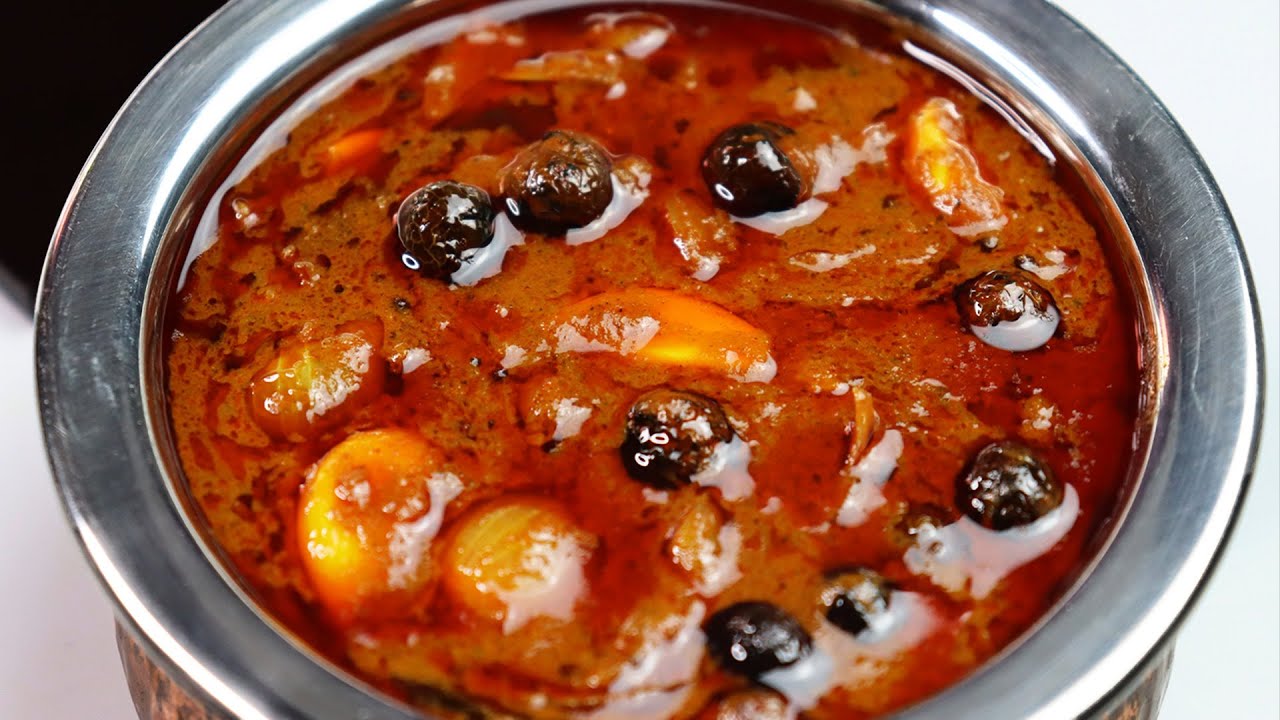
Vegetable Kurma - Mixed Vegetable Kuruma

Authentic South Indian Food Creator · Home Chef

Rate this recipe
Vegetable Kurma is a beloved South Indian curry that holds a very special place in Tamil cuisine. This rich, creamy, and mildly spiced dish is made with a colourful medley of fresh vegetables cooked in a fragrant coconut-based gravy. Originating from the Mughal-influenced cooking traditions that blended beautifully with Tamil flavours over centuries, kurma became a staple in Tamil homes. The creamy coconut and cashew base gives this dish its signature smooth texture that pairs perfectly with chapati, parotta, or even white rice.
Tamil families absolutely adore Vegetable Kurma because it is hearty, wholesome, and satisfying for everyone at the table, including children and elders. It is a popular weekend breakfast side dish served alongside soft parottas at roadside hotels and home kitchens alike. During festive seasons like Pongal, Tamil New Year, and even on special Sunday family lunches, this kurma is almost always present on the menu. Its mild spice level makes it a crowd-pleaser, and the vibrant golden colour from turmeric and fresh spices makes it visually stunning and appetising.
What makes this homemade Vegetable Kurma truly special is the freshly ground coconut masala paste that elevates the flavour far beyond any store-bought version. Using vegetables like carrots, beans, potatoes, peas, and cauliflower ensures every bite is packed with nutrition and colour. The secret to a perfect kurma is slow cooking the masala paste in oil until the raw smell disappears completely. Always use fresh coconut for the best results, and do not skip the whole spices tempering at the beginning as they build the aromatic base of this wonderful dish.
Looking for more curry recipes? Browse all vegetarian recipes →
Ingredients(27 items)
Instructions
💡 Tap a step to mark it donePrepare the kurma paste first. In a blender, add fresh grated coconut, cashews, poppy seeds, fennel seeds, roasted gram, and 1 green chilli. Add 3 to 4 tablespoons of water and grind everything into a very smooth, creamy paste. Set this aside. The smoother the paste, the creamier your kurma will be.
Wash and chop all the vegetables into uniform bite-sized pieces. Dice the potato and carrot, cut the beans into 1-inch pieces, break the cauliflower into small florets, and keep the green peas ready. Keeping all vegetables in similar sizes ensures they cook evenly at the same time.
Heat oil in a wide kadai or heavy-bottomed pan over medium heat. Once the oil is hot, add the bay leaf, cinnamon stick, cloves, cardamom, and star anise. Fry for about 30 seconds until the whole spices become fragrant and release their aroma into the oil.
Add the sliced onions and slit green chillies to the pan. Sauté on medium flame, stirring frequently, until the onions turn golden brown. This should take about 8 to 10 minutes. Properly caramelised onions form the flavourful base of a good kurma, so do not rush this step.
Add the ginger garlic paste and sauté for 2 minutes on medium-low heat until the raw smell completely disappears and the mixture smells aromatic. Stir continuously to prevent burning. This step is important for a clean-tasting curry without any raw ginger or garlic flavour.
Add the chopped tomatoes to the pan. Mix well and cook on medium heat for 5 to 6 minutes, mashing the tomatoes gently as they cook, until they turn mushy and the oil starts to separate from the sides of the mixture. The tomatoes should be fully cooked down.
Add turmeric powder, red chilli powder, coriander powder, and salt. Mix everything together well and sauté the masala for 2 more minutes on low heat so the spices are fully toasted and incorporated into the onion-tomato base. This removes the raw spice smell.
Add all the chopped vegetables to the pan. Mix well so the vegetables are thoroughly coated with the masala. Pour in 1.5 cups of water, stir everything together, and cover the pan with a lid. Cook on medium heat for 12 to 15 minutes until all the vegetables are tender and cooked through.
Once the vegetables are cooked, reduce the flame to low and add the freshly ground coconut-cashew paste to the pan. Mix gently and thoroughly so the paste is fully incorporated into the curry. Add a little more water at this stage if the curry looks too thick for your preference.
Simmer the kurma on low heat for 5 to 7 minutes, stirring occasionally, until the coconut paste is fully cooked and the curry has thickened to a beautiful, creamy consistency. Taste and adjust salt if needed. Do not boil on high heat after adding the coconut paste as it may cause the curry to split.
Turn off the heat and garnish generously with freshly chopped coriander leaves. Your Vegetable Kurma is now ready to serve. Serve hot alongside soft chapati, layered parotta, poori, or plain white rice. The kurma tastes even better the next day as the flavours continue to deepen overnight.
Tips and Tricks
- Always grind the coconut-cashew paste as smooth as possible using minimal water. A fine, lump-free paste gives the kurma its signature silky and creamy texture without any grainy feel.
- Add the coconut paste only after turning the flame to low and never boil the kurma on high heat after adding it. High heat can cause the coconut to curdle and the curry will lose its creamy consistency.
- For extra richness, you can add 2 tablespoons of fresh thick coconut milk along with the coconut paste at the end. This gives the kurma a restaurant-style richness that makes it taste absolutely indulgent.
⚠️ Nutrition values could not be verified for this recipe. Please check manually.
Related Tags