Verkadalai Kulambu | Peanut Tamarind Kuzhambu

Authentic South Indian Food Creator · Home Chef

Rate this recipe
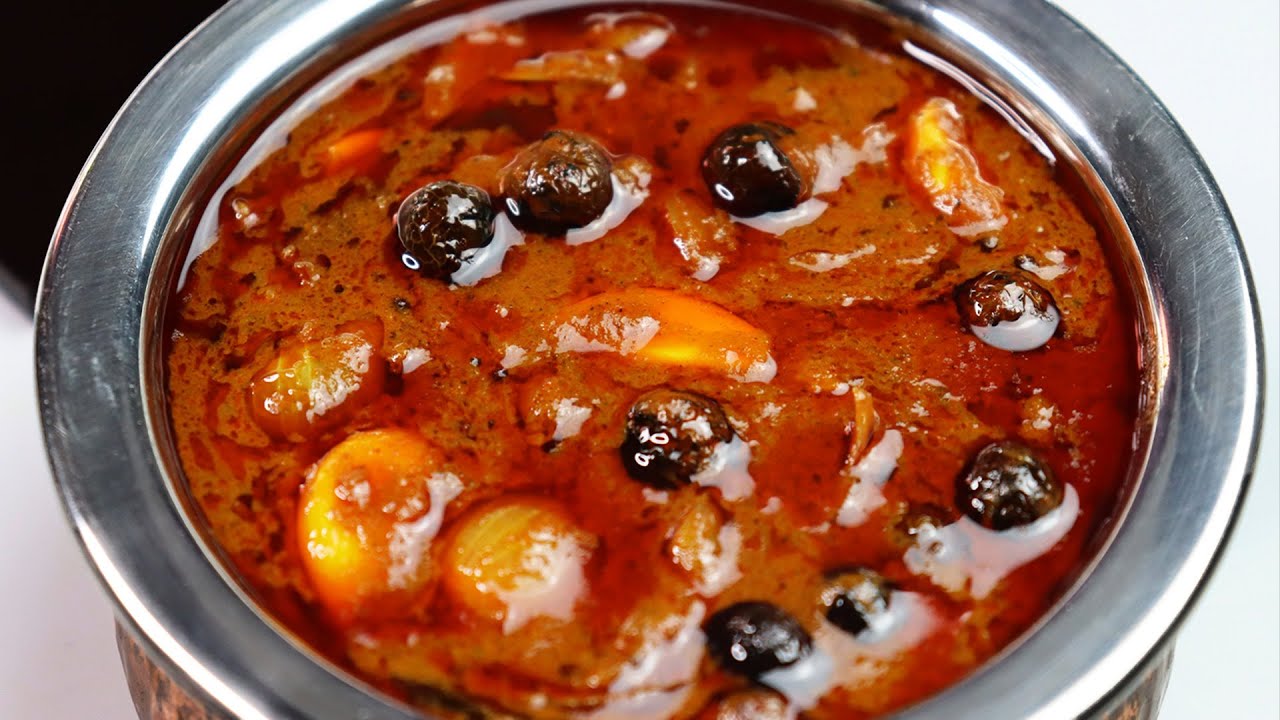
Verkadalai Kulambu is a hearty, tangy South Indian tamarind-based curry made with roasted peanuts as the star ingredient. Deeply rooted in Tamil home cooking, this kuzhambu belongs to the family of kara kuzhambu varieties that are slow-simmered with tamarind, tomatoes, and aromatic spice powders. The humble peanut transforms beautifully in this rich gravy, absorbing all the bold flavors of the curry and delivering a satisfying, protein-packed dish that sits proudly at the center of any Tamil meal.
Tamil families absolutely adore Verkadalai Kulambu because it is both economical and deeply nourishing. It is a dish that reminds many of their mother's or grandmother's kitchen, often made on busy weekdays when simple pantry staples need to shine. The peanuts give the kulambu a wonderful texture and a nutty depth that pairs beautifully with steamed white rice and a generous drizzle of sesame oil. It is also commonly made during fasting-friendly meal days and simple home lunch gatherings where vegetarian food takes center stage.
What makes this recipe truly special is how effortlessly it comes together with everyday ingredients found in every Tamil kitchen. The key to a great Verkadalai Kulambu lies in roasting the peanuts well before adding them to the curry, as it intensifies their flavor and prevents them from becoming mushy. Using freshly extracted tamarind water rather than paste gives the kulambu a more natural tang. Letting the curry simmer on low flame until the oil separates on top is the classic sign that your kuzhambu is perfectly cooked and ready to serve.
Looking for more curry recipes? Browse all vegetarian recipes →
Ingredients(17 items)
Instructions
💡 Tap a step to mark it doneDry roast the raw peanuts in a pan over medium flame for 8 to 10 minutes, stirring continuously until the skins turn slightly golden and the peanuts smell nutty and aromatic. Remove from heat and allow them to cool. Once cooled, rub them gently between your palms to remove the skins, then set aside.
Soak the tamarind in 1.5 cups of warm water for 10 minutes. Once softened, squeeze and extract thick tamarind juice, discarding the pulp and seeds. Set the tamarind water aside for later use.
Heat 3 tablespoons of sesame oil in a heavy-bottomed kadai or pan over medium flame. Once the oil is hot, add mustard seeds and let them splutter. Then add cumin seeds, dried red chillies, and curry leaves, and fry for 30 seconds until fragrant.
Add the finely chopped onions and crushed garlic to the kadai. Sauté over medium flame for 5 to 6 minutes until the onions turn golden brown and the raw smell of garlic completely disappears.
Add the finely chopped tomatoes to the pan and cook for 4 to 5 minutes, stirring occasionally, until the tomatoes soften completely and the oil begins to separate from the mixture forming a thick masala base.
Lower the flame and add turmeric powder, red chilli powder, coriander powder, and sambar powder. Mix well into the onion-tomato masala and cook for 2 minutes on low flame to bloom the spices and remove any raw flavor.
Pour in the extracted tamarind water and stir everything together well. Increase the flame to medium and let the kulambu come to a gentle boil, then add salt to taste and mix well.
Add the roasted peanuts into the simmering tamarind kuzhambu. Stir gently to combine and ensure all peanuts are coated in the gravy. If the kulambu looks too thick, add a little water to reach your desired consistency.
Reduce the flame to low and let the Verkadalai Kulambu simmer for 12 to 15 minutes, stirring occasionally. The kuzhambu is ready when the oil floats on top and the gravy thickens to a rich, deep reddish-brown color.
Garnish with freshly chopped coriander leaves and turn off the flame. Serve hot with steamed white rice, a side of papad, and a drizzle of extra sesame oil for the most authentic Tamil experience.
Tips and Tricks
- Always roast peanuts on medium-low flame with constant stirring to avoid burning. Well-roasted peanuts give the kulambu a beautiful nutty flavor and hold their texture without turning mushy in the gravy.
- Sesame oil is essential for an authentic Verkadalai Kulambu. It adds the traditional kuzhambu aroma and flavor that regular cooking oil simply cannot replicate. Do not skip or substitute it.
- Let the kuzhambu rest for 10 minutes after cooking before serving. Like most tamarind-based gravies, Verkadalai Kulambu tastes even better after resting as the peanuts absorb the tangy spiced gravy more deeply.
Related Tags