Verkadalai Kuzhambu (Peanut Tamarind Curry)

Authentic South Indian Food Creator · Home Chef

Rate this recipe
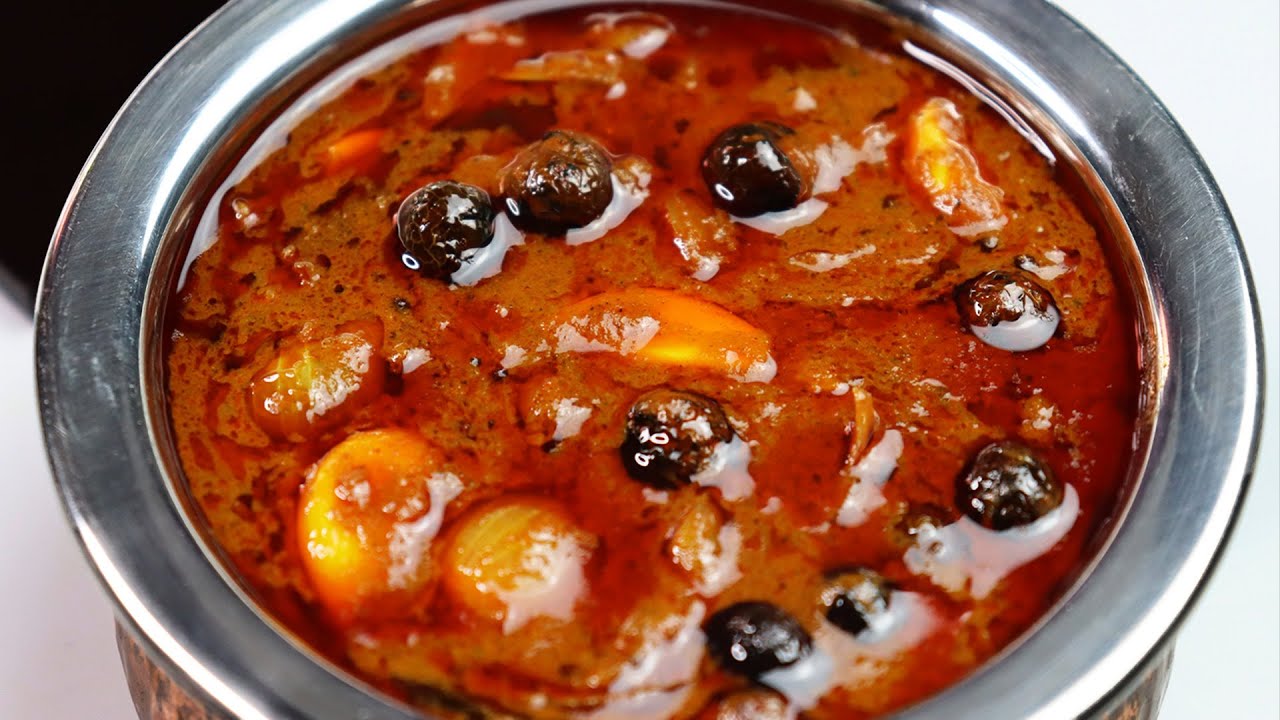
Verkadalai Kuzhambu is a hearty and rustic South Indian tamarind-based curry made with roasted groundnuts, also lovingly called nilakadalai in Tamil. This dish belongs to the family of puli kuzhambu — the tangy, spiced gravies that form the backbone of everyday Tamil cooking. Originating from Tamil Nadu's home kitchens, this kuzhambu balances the earthiness of peanuts with the bold punch of tamarind, red chillies, and freshly ground spices. It is a celebration of simple ingredients coming together to create something truly soul-satisfying.
Tamil families adore Verkadalai Kuzhambu for its humble charm and deep flavour. It is a popular choice on regular weekday lunch menus, especially when paired with hot steamed rice and a drizzle of sesame oil. Many households prepare this during Karthigai Deepam and other simple home festivals as groundnuts hold an auspicious place in Tamil culture. Grandmothers and mothers across Tamil Nadu have their own treasured versions of this recipe passed down through generations, making it one of the most emotionally comforting dishes in a Tamil kitchen.
What makes this recipe truly special is how easily it comes together with pantry staples most Tamil homes always have on hand. The key to the best Verkadalai Kuzhambu lies in soaking the raw peanuts beforehand so they turn soft and absorb all the tamarind-spice flavours beautifully. Using freshly ground coconut and roasting the peanuts lightly before adding them adds incredible depth. Cook it low and slow, let it thicken naturally, and finish with a fragrant tempering of curry leaves and dried red chillies in sesame oil for that authentic Tamil taste.
Looking for more curry recipes? Browse all vegetarian recipes →
Ingredients(19 items)
Instructions
💡 Tap a step to mark it doneSoak the raw groundnuts in enough water for 4 to 6 hours or overnight. This softens them well and helps them cook evenly in the kuzhambu. Drain the water completely before using. If you are short on time, pressure cook the soaked peanuts with a pinch of salt for 2 to 3 whistles until just tender but not mushy.
Soak the tamarind in 1.5 cups of warm water for 10 to 15 minutes. Once softened, squeeze it thoroughly with your hands to extract all the pulp. Strain the tamarind water through a fine sieve to remove seeds and fibres. Set the tamarind extract aside.
Grind the freshly grated coconut with a splash of water to a smooth fine paste in a mixer grinder. Set aside. This coconut paste will add body and a mild creamy richness to the kuzhambu without overpowering the tangy tamarind base.
Heat sesame oil in a heavy-bottomed kadai or pan over medium flame. Once the oil is hot, add mustard seeds and let them splutter. Then add cumin seeds, dried red chillies, and curry leaves. Let them sizzle for 20 to 30 seconds until fragrant. Sesame oil is essential here — it gives this kuzhambu its authentic Tamil flavour.
Add the finely chopped shallots and crushed garlic to the tempering. Sauté on medium flame for 4 to 5 minutes, stirring regularly, until the onions turn golden and slightly caramelised. This step builds the flavour base of the kuzhambu, so do not rush it.
Add the chopped tomato to the pan and cook for 3 to 4 minutes until it turns soft and mushy. Then add turmeric powder, red chilli powder, coriander powder, and black pepper powder. Mix everything well and sauté the masala for 2 minutes on low flame until the raw smell of the spices disappears and the oil starts to separate slightly.
Pour in the strained tamarind extract and stir well to combine everything. Add about 1 cup of additional water to adjust the consistency. Bring the kuzhambu to a boil on medium-high heat. Once it starts boiling, add salt to taste and a small piece of jaggery if using.
Add the soaked and drained groundnuts (or pre-cooked groundnuts if you pressure cooked them) into the boiling tamarind gravy. Stir well so all the peanuts are coated with the masala. Reduce the flame to medium-low and let the kuzhambu simmer for 10 to 12 minutes so the peanuts absorb the tangy spiced flavours deeply.
Add the ground coconut paste to the simmering kuzhambu and mix well. Continue to cook on low flame for another 4 to 5 minutes, stirring occasionally. The kuzhambu will thicken beautifully as the coconut cooks in. Do not boil vigorously after adding the coconut paste as it can cause the gravy to split.
Check the salt and spice level and adjust if needed. The kuzhambu should have a thick pourable consistency — not too watery and not too thick. Once the oil starts to float on top and the kuzhambu is well-cooked, turn off the flame. Serve hot with steamed rice, a spoonful of sesame oil drizzled on top, and papad or appalam on the side.
Tips and Tricks
- Always use sesame oil (nallennai) for this kuzhambu — it is what gives Verkadalai Kuzhambu its signature deep Tamil flavour. Regular cooking oil will not give the same authentic taste.
- Soaking the raw groundnuts for at least 4 to 6 hours is important. Well-soaked peanuts cook faster, stay tender inside, and absorb the tamarind and spice flavours much better than unsoaked ones.
- For an extra smoky depth of flavour, lightly dry roast the soaked and drained peanuts in a pan for 2 minutes before adding them to the kuzhambu. This brings out a nuttier, richer aroma in the final dish.
Related Tags