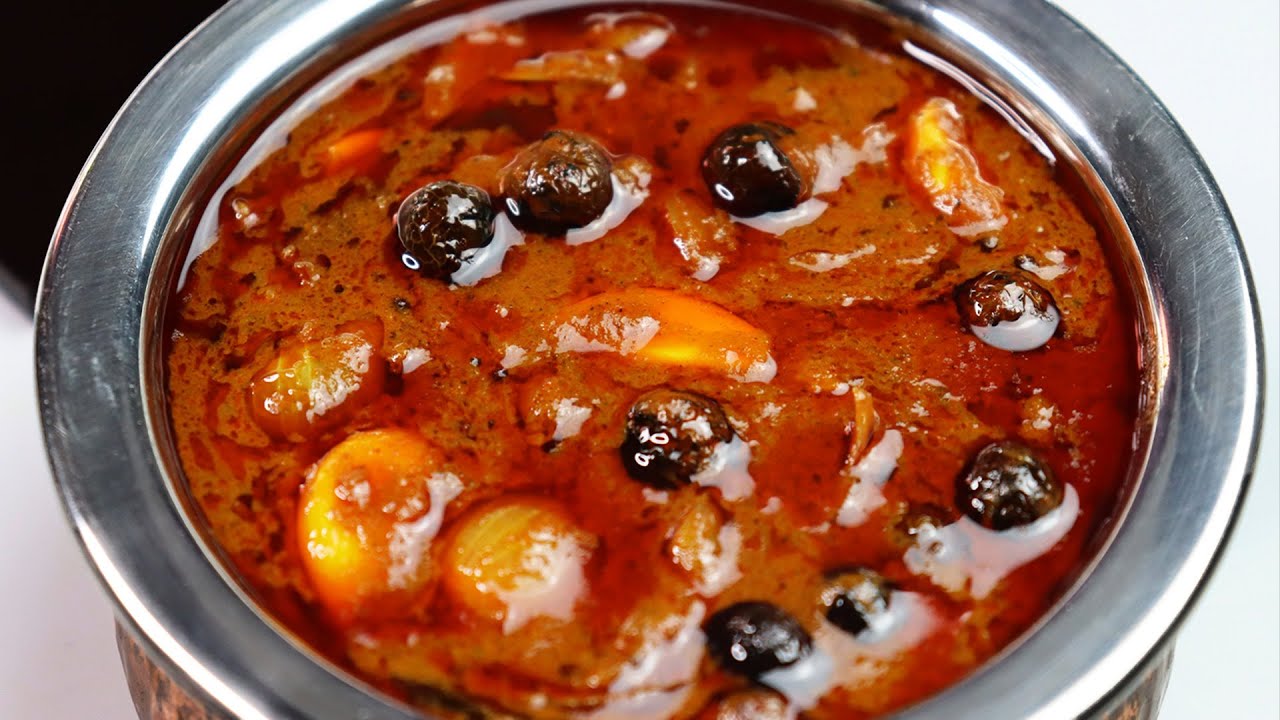
White Chickpea Kurma | Kondakadalai Kurma

Authentic South Indian Food Creator · Home Chef

Rate this recipe
White Chickpea Kurma, lovingly known as Kondakadalai Kurma in Tamil Nadu, is a rich and aromatic curry that holds a proud place in South Indian vegetarian cooking. Made with tender white chickpeas simmered in a creamy coconut and cashew-based gravy, this dish is beautifully spiced with whole aromatics and freshly ground masala. It traces its roots to the Chettinad and Tamil Brahmin kitchens where kurma-style gravies were perfected over generations, balancing warmth and creaminess in every spoonful.
Tamil families absolutely adore this kurma because it pairs so effortlessly with so many dishes they already love. Whether it is Sunday morning idlis, soft layered chapatis, or crispy golden pooris, kondakadalai kurma is the perfect companion at the table. Many mothers prepare this dish during weekend family breakfasts, school holidays, and festive mornings like Karthigai Deepam or Pongal celebrations. The protein-packed chickpeas make it a satisfying and wholesome meal that keeps the whole family full and happy through the day.
What makes this recipe truly special is how quickly it comes together once your chickpeas are soaked and pressure cooked. The secret lies in the freshly ground coconut-cashew-poppy seed paste that gives the kurma its signature silky texture and mild sweetness. Using a pressure cooker brings everything together in minutes. Always soak chickpeas overnight for the softest results, and do not skip the fresh coriander garnish at the end as it lifts the entire dish beautifully. This is a recipe you will return to every single week.
Looking for more curry recipes? Browse all vegetarian recipes →
Ingredients(21 items)
Instructions
💡 Tap a step to mark it doneSoak the white chickpeas in plenty of water for 8 to 10 hours or overnight. Drain and pressure cook them with 2 cups of water and a pinch of salt for 5 to 6 whistles on medium flame until they are completely soft. Set aside along with the cooked water.
Prepare the kurma paste by soaking cashew nuts in warm water for 10 minutes. Then add the soaked cashews, grated fresh coconut, poppy seeds, and roasted gram into a mixer jar. Grind everything together with a little water into a very smooth, thick, and creamy paste. Keep this aside.
Heat oil in a pressure cooker or a heavy-bottomed pan on medium flame. Once the oil is hot, add bay leaf, cinnamon stick, cloves, cardamom, and fennel seeds. Let them splutter and release their aroma for about 30 seconds.
Add the finely chopped onions and slit green chillies to the pan. Sauté on medium flame, stirring frequently, until the onions turn soft and golden brown. This will take around 6 to 8 minutes. Do not rush this step as browned onions form the flavour base of the kurma.
Add the ginger garlic paste and cook it well for 2 minutes until the raw smell disappears completely and the mixture smells fragrant. Then add the finely chopped tomatoes and cook on medium flame until they become mushy and the oil starts to separate from the sides, about 5 minutes.
Add turmeric powder, red chilli powder, and coriander powder. Mix well and cook the spices into the masala for 2 minutes on low flame. Stir continuously so the spices do not burn. Add a splash of water if the mixture looks too dry at this stage.
Add the cooked white chickpeas along with their cooked water into the pan. Mix everything gently so the chickpeas are well coated with the masala. Adjust water to reach your desired gravy consistency. Bring the mixture to a gentle boil on medium flame.
Now add the freshly ground coconut cashew paste into the curry. Stir it in well and mix thoroughly so there are no lumps. Check the salt and adjust as needed. Lower the flame and let the kurma simmer gently for 8 to 10 minutes, stirring occasionally, until the gravy thickens beautifully and the flavours meld together.
Once the kurma reaches a rich and creamy consistency and the oil starts to float on the surface, switch off the flame. Garnish generously with freshly chopped coriander leaves. Your kondakadalai kurma is ready to serve hot alongside idli, chapati, poori, or even plain rice.
Tips and Tricks
- Always soak the white chickpeas overnight for at least 8 hours. This ensures they cook evenly and become completely soft, giving the kurma a better texture and preventing hard or undercooked chickpeas in your gravy.
- The coconut cashew paste is the soul of this kurma. Grind it as smooth as possible for a silky and restaurant-style gravy. If your blender struggles, add a few tablespoons of warm water while grinding to help it along.
- Simmer the kurma on a low flame after adding the coconut paste. High heat can cause the coconut to split and the gravy to turn grainy. A gentle simmer for at least 8 minutes is key to a thick, creamy, and well-blended kurma.
⚠️ Nutrition values could not be verified for this recipe. Please check manually.
Related Tags